
The 2012 Kawasaki Ninja 250R is one of the most well-rounded and approachable entry-level sport bikes ever offered in the United States, built around a free-revving 249cc parallel-twin DOHC engine that sets it apart from single-cylinder rivals in its price class. With an MSRP of just $3,999, it delivers genuine Ninja supersport styling, a smooth six-speed gearbox, and real highway capability that buyers at this price point rarely encounter. The 2012 Kawasaki Ninja 250R targets new riders looking for their first serious motorcycle as well as commuters who want a lightweight, fuel-efficient machine with a sporty character. Its twin-cylinder refinement, confidence-inspiring ergonomics, and proven long-term reliability made it the number-one selling sportbike in America during its era, and it remains a compelling used buy even today.
2012 Kawasaki Ninja 250R Specs, Images, & Features
Key Specifications
| Price | $3,999 MSRP (USA) |
| Engine | 249cc Parallel Twin, DOHC, Liquid-Cooled |
| Displacement | 249 cc (15.2 cu-in) |
| Transmission | 6-Speed Manual |
| Power | ~33 hp @ 11,000 rpm |
| Seat Height | 30.5 in (775 mm) |
| Curb Weight | 374.9 lbs (170 kg) |
| Fuel Tank Capacity | 4.8 gal (18.2 L) |
Image Gallery
2012 Kawasaki Ninja 250R Top Features
- Parallel-twin DOHC engine design
- Six-speed close-ratio gearbox
- Liquid-cooled engine for all-weather reliability
- Dual petal disc braking setup
- Full-fairing supersport body styling
- 37mm telescopic front fork
- Uni-Trak rear suspension with adjustable preload
- Lightweight 374-pound wet curb weight
- Aggressive dual-lamp headlight design
- 17-inch full-size sportbike wheels
- Analog instrument panel with fuel gauge
- Accessible 30.5-inch seat height
- Dual Keihin CVK30 carburetors
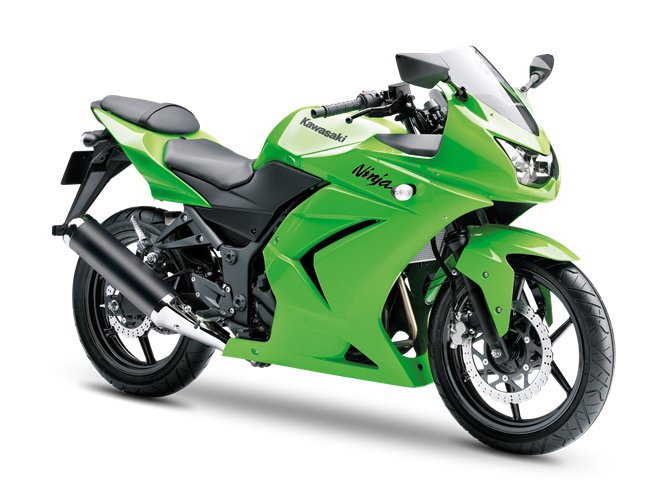
- Signature Candy Lime Green color option
- Minimal underseat storage compartment
2012 Kawasaki Ninja 250R Review
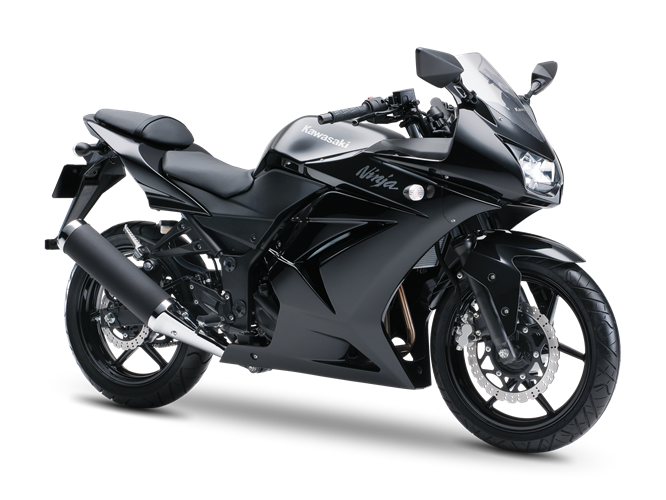
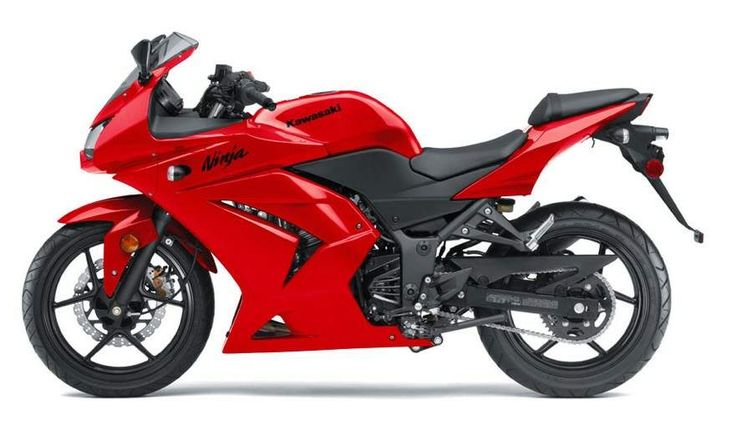
The 2012 Kawasaki Ninja 250R is a motorcycle that consistently overdelivers for its displacement and price class. Step back and look at it on the street, and the full-fairing supersport bodywork immediately draws comparisons to its larger Ninja siblings. The aggressive dual-lamp headlight nose, sharply creased body panels, and slim tail cowl give the 250R a presence that turns heads long before anyone notices the engine size. Kawasaki offered the 2012 model in Candy Lime Green, Metallic Spark Black, and Passion Red with Metallic Spark Black, with the Lime Green variant projecting an unmistakably sporty identity that few entry-level machines can replicate.
The chassis is built around a semi-double cradle frame of thick-walled high-tensile steel tubing that balances rigidity with a light overall package. At 374.9 pounds wet, the Ninja 250R is a genuinely nimble machine in urban traffic, narrow parking structures, and winding backroads alike. The narrow dimensions make filtering through slow-moving traffic feel natural rather than anxious, and the light steering effort builds new rider confidence quickly without ever feeling vague or unpredictable at speed.
The beating heart of the 250R is its 249cc parallel-twin DOHC engine, and this is where the Kawasaki separates itself cleanly from single-cylinder rivals. The twin layout delivers a noticeably smoother power character and a mechanical exhaust note that rewards pushing into the rev range. Power builds steadily from idle and gains real urgency as the tachometer climbs toward 11,000 rpm, where the engine feels genuinely animated. The dual Keihin CVK30 carburetors provide a familiar throttle feel that responds crisply once the engine reaches operating temperature. On colder mornings, a minute or two of warm-up allows the carbureted system to settle into its best behavior. The six-speed gearbox shifts with a positive, mechanical action that makes working through the gears an involved and satisfying experience rather than a mechanical chore.
Ergonomics sit in a natural sport position that leans slightly forward without demanding the committed crouch of a full supersport machine. The 30.5-inch seat height is among the most accessible in the class, letting shorter riders touch the ground with confidence and reducing the intimidation factor for new riders. Daily commuting passes without noticeable fatigue on urban routes, and the comfortable ergonomics allow the rider to move body position naturally through corners. Highway riding at 65 to 70 mph is relaxed and composed, with the engine sitting at a comfortable point in its rev range. Sustained speeds above 80 mph are possible but push the small displacement closer to its natural ceiling, with vibration building through the handlebars and the motor asking for more gear than is available.
Braking comes from a 290mm petal front disc gripped by a two-piston hydraulic caliper and a 220mm petal rear disc with its own two-piston caliper. The system delivers adequate, progressive stopping power well matched to the bike’s weight, with a natural lever feel that gives riders clear feedback before the limit. The 37mm front forks and bottom-link Uni-Trak rear suspension with five-way adjustable preload absorb typical road imperfections competently while maintaining composed cornering behavior. The rear unit’s adjustable preload is a practical touch that lets the rider dial in ride height for solo or two-up use. As a complete riding package, the 2012 Ninja 250R offers a level of mechanical refinement, real-world performance, and build quality that places it clearly ahead of the field at its price point.
2012 Kawasaki Ninja 250R Performance, Top Speed, & Acceleration
The 2012 Kawasaki Ninja 250R top speed reaches approximately 105 mph (169 km/h) under ideal conditions, making it a genuinely capable machine for weekend sport riding and regular highway use. Acceleration from 0 to 60 mph takes around 5.5 to 6 seconds when launched with purpose, a figure that reflects the lightweight chassis working in harmony with the free-revving parallel-twin engine. The power delivery feels approachable and linear throughout the rev range, which gives new riders the room to build throttle confidence naturally without the sudden surges that can catch beginners off guard.
On open highways, the Ninja 250R settles comfortably between 65 and 70 mph, keeping the engine relaxed at roughly 8,000 to 9,500 rpm. Overtaking slower traffic at those speeds benefits from dropping one gear to unlock stronger mid-range pull, a maneuver made easy by the close-ratio six-speed gearbox and its positive neutral finder. City riding is where the 250R truly shines, with the low-end torque character and agile chassis creating a responsive, quick-feeling experience that makes daily commuting far more enjoyable than the output figures suggest. Fuel economy of approximately 60 to 65 mpg pairs with the 4.8-gallon tank to deliver a practical range of roughly 280 to 310 miles per fill, adding a touring-friendly dimension to an already well-rounded machine.
2012 Kawasaki Ninja 250R Competitor Comparison
In the 2012 US entry-level sportbike segment, the Kawasaki Ninja 250R held a distinct advantage through its twin-cylinder refinement, proven reliability, and class-leading resale value. The Honda CBR 250R matched it on price and offered fuel injection for crisper cold-start behavior, but its single-cylinder motor lacks the parallel-twin’s smoothness and high-rev character that makes the Kawasaki so rewarding to ride hard. The Hyosung GT250R undercut the Ninja on price with a similar twin-cylinder layout, giving budget-focused buyers an alternative worth considering, though the Kawasaki’s stronger dealer network and parts support consistently justified the price premium for long-term owners. Riders who value established brand reliability, strong community support, and superior resale value will land on the Ninja 250R every time.
| Feature | Honda CBR250R (2012) | Hyosung GT250R (2012) | Suzuki GW250 (2013) |
| Engine | 249cc Single-Cylinder, SOHC | 249cc Parallel Twin, DOHC | 248cc Parallel Twin, DOHC |
| Power | ~26 hp | ~28 hp | ~24 hp |
| Top Speed | ~104 mph | ~105 mph | ~95 mph |
| Price in the US | ~$3,999 | ~$3,499 | ~$3,999 |
Who Should Buy the 2012 Kawasaki Ninja 250R
The 2012 Kawasaki Ninja 250R is an outstanding choice for first-time motorcycle buyers who want real sportbike character without the intimidation of a larger machine. New riders benefit directly from the light weight, accessible 30.5-inch seat height, and linear power delivery that rewards skill development without punishing honest mistakes. The comfortable upright-sport ergonomics and strong fuel economy of 60 to 65 mpg also make it a highly practical daily commuter for urban and suburban riders who need their motorcycle to earn its keep throughout the week rather than only on weekend rides.
Experienced riders returning to motorcycling after a break, or those seeking a nimble second bike for city duties, will find the Ninja 250R more satisfying and engaging than they might initially expect. The twin-cylinder engine rewards exploration of the rev range, and the confidence-inspiring chassis actively develops corner technique and riding instincts. Shorter riders in particular will appreciate the seat height and narrow profile. However, tall riders may find the ergonomics restrictive on long touring days, and highway commuters who regularly travel above 75 mph will eventually feel the natural ceiling of the displacement. For everyone else, especially budget-focused buyers entering the sport on a used machine, the 2012 Ninja 250R remains one of the most complete and enjoyable entry-level sportbikes ever built.
2012 Kawasaki Ninja 250R Specifications
Engine & Transmission
| Engine Type | 4-Stroke, Parallel Twin, DOHC |
| Engine Displacement | 249 cc (15.2 cu-in) |
| No. of Cylinders | 2 |
| Fuel Type | Gasoline (Petrol) |
| Fuel Supply | Dual Keihin CVK30 Carburetors |
| Cooling System | Liquid-Cooled |
| Bore | 62.0 mm (2.44 in) |
| Stroke | 41.2 mm (1.62 in) |
| Compression Ratio | 11.6:1 |
| Valves Per Cylinder | 4 |
| Starting | Electric |
| Ignition | TCBI with Digital Advance |
| Transmission | 6-Speed Manual |
| Clutch | Wet Multi-Plate, Cable Operated |
| Final Drive | O-Ring Chain |
Top Speed Performance, & Mileage
| Power | ~33 hp (~24.6 kW) @ 11,000 rpm |
| Torque | 16.0 lb-ft (21.7 Nm) @ 10,000 rpm |
| Top Speed | ~105 mph (169 km/h) approximately |
| Mileage | ~60-65 mpg (approximately) |
| 0-60 mph | ~5.5-6 seconds (approximately) |
| 0-100 mph | ~18-20 seconds (approximately) |
Chassis & Suspension
| Body Type | Full-Fairing Sport |
| Chassis | Semi-Double Cradle, High-Tensile Steel |
| Front Suspension | 37mm Hydraulic Telescopic Fork |
| Rear Suspension | Bottom-Link Uni-Trak with Aluminum Linkage, 5-Way Adjustable Preload |
| Front Wheel Travel | 4.7 in (119 mm) |
| Rear Wheel Travel | 5.1 in (130 mm) |
Brakes, Wheels, & Tires
| Front Brake | Two-Piston Hydraulic Caliper, Petal Disc |
| Rear Brake | Two-Piston Hydraulic Caliper, Petal Disc |
| Front Brake Diameter | 290 mm (11.4 in) |
| Rear Brake Diameter | 220 mm (8.7 in) |
| ABS | Not Available |
| Front Wheel | Cast Aluminum Alloy, 17 in |
| Rear Wheel | Cast Aluminum Alloy, 17 in |
| Tire Type | Tubeless Radial |
| Front Tire Size | 110/70-17 |
| Rear Tire Size | 130/70-17 |
Dimension & Capacity
| Wheelbase | 55.1 in (1,400 mm) |
| Length | 82.1 in (2,086 mm) |
| Width | 28.1 in (714 mm) |
| Height | 43.7 in (1,110 mm) |
| Seat Height | 30.5 in (775 mm) |
| Ground Clearance | 5.3 in (135 mm) |
| Curb Weight | 374.9 lbs (170 kg) |
| Fuel Tank Capacity | 4.8 gal (18.2 L) |
| Seating Capacity | 2 (Rider + Pillion) |
Electricals & Lighting
| Battery Type | Maintenance-Free (MF) |
| Battery Capacity | 12V / 8 Ah |
| Headlight | Dual 12V H4 Halogen Lamps |
| Pilot Lights | Available |
| Taillights | 12V Incandescent |
| Turn Signals | Incandescent Amber |
| Pass Light | Available |
Instrument Console & Speedometer
| Console Type | Analog with Digital Readouts |
| Speedometer | Analog |
| Tachometer | Analog |
| Odometer | Digital |
| Trip Meter | Digital |
| No. of Trip Meters | 1 |
| Fuel Gauge | Analog |
| Gear Shift Light | Not Available |
| Gear Position Indicator | Not Available |
| Low Fuel Indicator | Available (Warning Light) |
| Engine Temperature Indicator | Available (Warning Light) |
| Service Indicator | Not Available |
Other Features
| Electric Starter | Yes |
| Engine kill Switch | Yes |
| Stand Alarm | Not Available |
| Stepped Seat | Yes (Two-Tone Stepped Saddle) |
| Pillion Seat | Yes |
| Pillion Grabrails | Yes |
| Pillion Footrest | Yes |
| Underseat Storage | Minimal (U-Lock Space + Two Helmet Holders) |
| Additional Features | Positive Neutral Finder, 5-Way Rear Preload, O-Ring Drive Chain, 2-Into-1 Exhaust, Dual Catalyzers |
Frequently Asked Questions
The 2012 Kawasaki Ninja 250R reaches an approximate top speed of 105 mph (169 km/h) under ideal conditions. Real-world figures may vary depending on rider weight, road surface, and wind direction, with some riders reporting speeds slightly above this mark on flat, windless stretches.
The 2012 Ninja 250R produces approximately 33 horsepower from its 249cc parallel-twin DOHC engine. This output, combined with the bike’s light 374.9-pound curb weight, gives it a competitive power-to-weight ratio that translates into a genuinely fun and responsive ride.
The 2012 Kawasaki Ninja 250R carried an original MSRP of $3,999 in the United States. Used examples available today range widely in price based on mileage, condition, and modification history, generally trading between $1,500 and $4,000 depending on the market.
Yes, the 2012 Ninja 250R is widely regarded as one of the best beginner motorcycles ever sold. The 30.5-inch seat height, lightweight chassis, linear power delivery, and predictable handling create an ideal environment for new riders to develop skills and confidence without fear of being overwhelmed.
Yes, the 2012 Ninja 250R handles highway riding comfortably at 65 to 70 mph, where the engine operates in a relaxed portion of its rev range. Sustained speeds above 80 mph are achievable but put the small displacement under strain and generate noticeable handlebar vibration. For occasional highway stretches, it performs well, though dedicated long-distance freeway commuters may eventually want more displacement.
The 2012 Kawasaki Ninja 250R uses a parallel-twin engine that delivers smoother, more refined performance and a more engaging high-rev character than the Honda CBR250R’s single-cylinder motor. The Honda benefits from fuel injection for more consistent cold-start performance, while the Kawasaki wins on engine character, twin-cylinder refinement, and long-term resale value in the used market.
The 2012 Ninja 250R uses a 249cc carbureted parallel-twin, while the Ninja 300 introduced for 2013 stepped up to 296cc with fuel injection, updated styling, and more power. The 250R remains an excellent option for budget buyers purchasing used, offering proven mechanical simplicity and strong community support at a lower entry price.
The Ninja 250R has an exceptional reliability record across owner communities worldwide. The parallel-twin engine is well-known for its durability when given proper maintenance, including regular oil changes every 3,000 to 4,000 miles and periodic valve clearance checks. Many examples have surpassed 30,000 to 40,000 miles with no significant mechanical issues, making it one of the most dependable used sportbikes available at its price point.



Ethan Collins is a passionate motorcycle journalist with a deep interest in sports bikes, cruisers, adventure motorcycles, and the latest industry trends. He loves comparing new launches, analyzing performance, and helping readers choose the right bike based on their riding style, budget, and needs.